
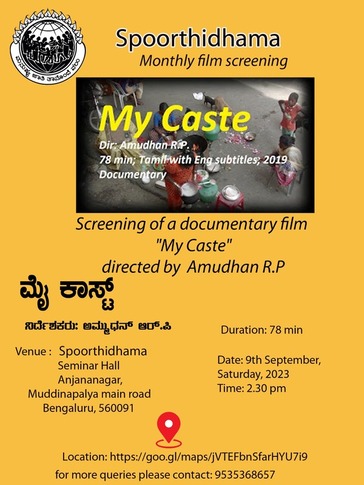
 ಚಲನಚಿತ್ರ: ಮೈ ಕಾಸ್ಟ್
ನಿರ್ದೇಶನ: ಅಮುಧನ್ ಆರ್.ಪಿ ಕಾಲಾವಧಿ: 78 ನಿಮಿಷ ಭಾಷೆ: ತಮಿಳು (ಇಂಗ್ಲೀಷ್ ಉಪಶೀರ್ಷಿಕೆಗಳೊಂದಿಗೆ) ದಿನಾಂಕ: 2023 ಸೆಪ್ಟೆಂಬರ್ 9 (ಶನಿವಾರ) ಸಮಯ: ಬೆಳಿಕಿಗೆ 2:30 ಗಂಟೆ ಸ್ಥಳ: ಸ್ಪೂರ್ತಿಧಾಮ ಸೆಮಿನಾರ್ ಹಾಲ್ ಅಂಜನನಗರ, ಮುದ್ದಿನ ಪಾಳ್ಯ ಮುಖ್ಯ ರಸ್ತೆ, ಬೆಂಗಳೂರು ನಕ್ಷೆ: https://goo.gl/maps/jVTEFbnSfarHYU7i9 ಸಂಪರ್ಕ: 9535368657 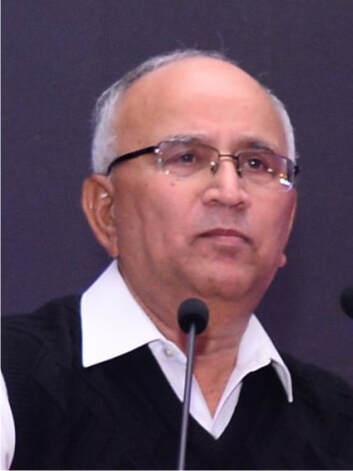 ಶ್ರೀಯುತ ಎಸ್.ಎನ್. ಮೂರ್ತಿ ರವರು ಹಿರಿಯ ವಕೀಲರು ಮತ್ತು ಒಬ್ಬ ದಾರ್ಶನಿಕ ವಕೀಲರಾಗಿದ್ದು, 50 ವರ್ಷದ ಸುದೀರ್ಘ ಸೇವೆಯನ್ನು ಸಮಾಜಕ್ಕೆ ಸಲ್ಲಿಸಿದ್ದಾರೆ. ಇವರು ಭಾರತದಾದ್ಯಂತ ಸಾರ್ವಜನಿಕ ಮತ್ತು ಖಾಸಗಿ ವಲಯದ ಉದ್ಯಮಗಳು ಸೇರಿದಂತೆ ಹಲವಾರು ಗೌರವಾನ್ವಿತ ಬಹುರಾಷ್ಟ್ರೀಯ ಸಂಸ್ಥೆಗಳಿಗೆ ವಿಶ್ವಾಸಾರ್ಹ ಕಾನೂನು ಸಲಹೆಗಾರರಾಗಿದ್ದಾರೆ. ಎಂತಹದ್ದೇ ಸಂಕೀರ್ಣ ಸಮಸ್ಯೆಗಳನ್ನು ಅತೀ ನಾಜೂಕಾಗಿ ಬಗೆಹರಿಸುವ ಇವರ ಕಾರ್ಯಕ್ಷಮತೆಯನ್ನು ನಾವು ಮೆಚ್ಚಲೇಬೇಕು.
ನಿರಾತಂಕ ಸಂಸ್ಥೆಯು ಸುಮಾರು 6 ವರ್ಷದಿಂದ ನಡೆಸುತ್ತ ಬಂದಿರುವ ಮಾನವ ಸಂಪನ್ಮೂಲ ಕನ್ನಡ ಸಮ್ಮೇಳನಕ್ಕೆ ಇವರು ಮಾರ್ಗದರ್ಶನ ಮತ್ತು ಪ್ರೋತ್ಸಾಹವನ್ನು ನೀಡುತ್ತಾ ಬಂದಿದ್ದಾರೆ. ಇವರ ಜೊತೆಗಿನ ಒಡನಾಟವು ನಮಗೆ ಅತ್ಯಂತ ಆನಂದವನ್ನು ತಂದುಕೊಟ್ಟಿದೆ. ಇವರ ಮಾರ್ಗದರ್ಶನದಿಂದ ನಾವು ಎಷ್ಟೋ ವಿಷಯಗಳನ್ನು ತಿಳಿದುಕೊಂಡಿದ್ದು ಉತ್ತಮ ಬೆಳವಣಿಗೆಯನ್ನು ಕಂಡಿದ್ದೇವೆ. ಇತ್ತೀಚೆಗೆ ಬೆಂಗಳೂರು ವಿಶ್ವವಿದ್ಯಾನಿಲಯದ ಕ್ರೀಡಾಂಗಣದ ಮೆಟ್ಟಿಲುಗಳ ಮೇಲಿಂದ ಒಬ್ಬರು ಕಾಲು ಜಾರಿ ಬಿದ್ದರು. ಅದನ್ನು ಗಮನಿಸಿದಾಗ ಕ್ರೀಡಾಂಗಣದ ಮೆಟ್ಟಿಲುಗಳ ತುದಿಯಲ್ಲಿ ಯಾವುದೇ ರೀತಿಯಾದ ಆಧಾರಕ್ಕಾಗಿ ಗ್ರಿಲ್ ಅಥವಾ ತಡೆಗೋಡೆಯನ್ನು ನಿರ್ಮಿಸಿರುವುದು ಕಂಡು ಬರಲಿಲ್ಲ. ಮೆಟ್ಟಿಲು ಮತ್ತು ನೆಲಕ್ಕೆ ಸುಮಾರು 10-15 ಅಡಿ ಅಂತರವಿದೆ. ಇದು ಯಾವ ರೀತಿಯ ವಿನ್ಯಾಸ? ಏತಕೆ ಮೆಟ್ಟಿಲುಗಳಿಗೆ ತಡೆಗೋಡೆಯನ್ನು ನಿರ್ಮಿಸಿಲ್ಲ ಎಂಬುದು ಅರ್ಥವಾಗುತ್ತಿಲ್ಲ. ಆದರೆ ಇಲ್ಲಿ ದಿನನಿತ್ಯ ಓಡಾಡುವವರ ಸಂಖ್ಯೆ ಸಾಕಷ್ಟಿದೆ, ಅದರಲ್ಲಿ, ಮಕ್ಕಳು, ವಯಸ್ಕರು, ವಿದ್ಯಾರ್ಥಿಗಳು, ಎಲ್ಲರೂ ಇದ್ದಾರೆ. ಎಲ್ಲರಿಗೂ ಇದರಿಂದ ತೊಂದರೆಯಾಗುತ್ತಿದೆ. ಮೆಟ್ಟಿಲುಗಳಲ್ಲಿ ಕುಳಿತುಕೊಳ್ಳಲು ಭಯ ಪಡುವಂತಾಗಿದೆ. ತಮ್ಮಲ್ಲಿ ನನ್ನದೊಂದು ವಿನಂತಿಯೇನೆಂದರೆ, ಬೆಂಗಳೂರು ವಿಶ್ವವಿದ್ಯಾನಿಲಯದ ಆಡಳಿತ ಮಂಡಳಿಯವರು ಇದನ್ನು ಗಮನಿಸಿ ಆದಷ್ಟು ಬೇಗ ಇದಕ್ಕೆ ಪರಿಹಾರವನ್ನು ಕಂಡುಕೊಳ್ಳಲಿ ಎಂದು ಭಾವಿಸಿದ್ದೇನೆ. 
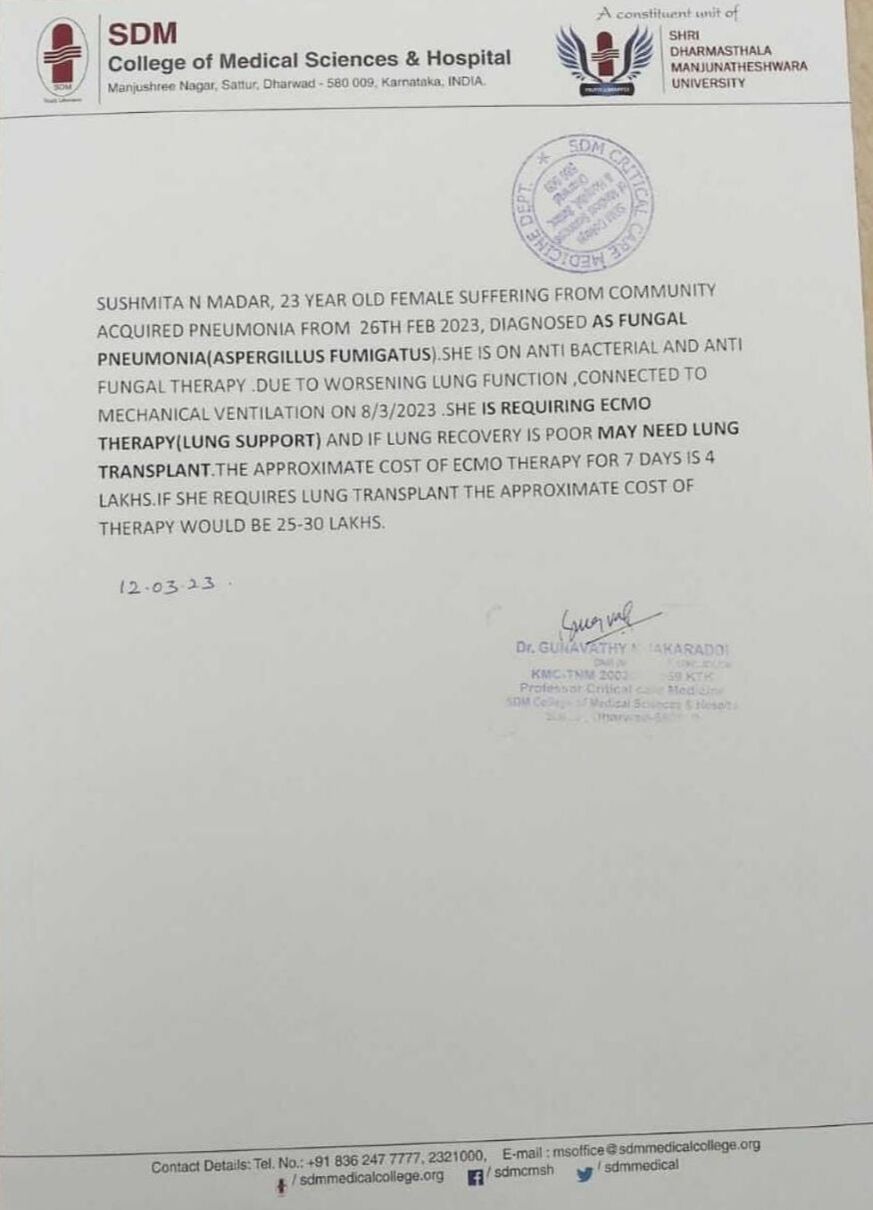
I'm writing this appeal to bring to your kind notice that Ms. Sushmita N Madar, our second year MSW student, has been diagnosed with Fungal Pneumonia and is presently battling for life in the Critical Care Unit of SDM College of Medical Sciences and Hospital, Dharwad, Karnataka.
Since, last two days the Hospital has started ECMO Therapy (Lung Support) and have said that if the treatment fails the option available is to go for lung transplant, which will cost over INR 30 lakhs. Please find attached scanned copy of the letter issued by the Hospital to this effect. Sushmita is hailing from very poor socio-economic background and her family has already spent over five lakhs for medication by borrowing money from various sources. We are a public-funded University and the Student Insurance Scheme will cover only INR 20,000/- (Rupees Twenty Thousand only). We are also mobilizing funds from our staff and students. In this regard, we hereby appeal to your esteemed Organization to support us to mobilize this huge amount of money required for saving the life of our student. Please donate your contribution to the following account, which is in the name one of our faculty members: Name of the Account Holder: DEVINDRAPPA HOSAMANI (we have not provided the account details of the Sushmita/patient as one of her relatives has access to her ATM card) Name of the Bank: HDFC Bank Branch: Shahapur, Karnataka A/c No.: 50100041876282 IFSC: HDFC0002575 QR Code of the above-mentioned bank account has been attached herewith for making GPay/PhonePe/ etc. We request you to kindly support us in our efforts to provide best of the medical care so that Sushmita will recover and be back on track. Thanking you, Sincerely yours Dr. Ashok Antony D'Souza Professor and Chairman, Dept. of Studies in Social Work, Rani Channamma University, Belagavi, Karnataka!
ಒಂದು ಸಂಸ್ಥೆಯಲ್ಲಿ ಕೆಲಸ ಮಾಡುವ ಉದ್ಯೋಗಿಗಳು ತಮ್ಮ ಕಂಪನಿಯ ಮಾಲೀಕರ ಗಮನಕ್ಕೆ ತಾರದೇ, ಮತ್ತೊಂದು ಕಂಪನಿಯಲ್ಲಿ9/8/2022 ಒಂದು ಸಂಸ್ಥೆಯಲ್ಲಿ ಕೆಲಸ ಮಾಡುವ ಉದ್ಯೋಗಿಗಳು ತಮ್ಮ ಕಂಪನಿಯ ಮಾಲೀಕರ ಗಮನಕ್ಕೆ ತಾರದೇ, ಮತ್ತೊಂದು ಕಂಪನಿಯಲ್ಲಿ ಉದ್ಯೋಗ ಮಾಡುವುದನ್ನು ‘ಮೂನ್ಲೈಟಿಂಗ್’ ಎನ್ನುತ್ತಾರೆ. ಸರಳವಾಗಿ ಹೇಳಬೇಕೆಂದರೆ, ಏಕಕಾಲದಲ್ಲಿ ಒಂದಕ್ಕಿಂತ ಹೆಚ್ಚು ಉದ್ಯೋಗಗಳನ್ನು ಮಾಡುವುದು.
ವ್ಯಕ್ತಿಯೊಬ್ಬ ಹಗಲಿನ ವೇಳೆ(ಕಚೇರಿ ಸಮಯದಲ್ಲಿ) ಮೂಲ ಕಂಪನಿಯಲ್ಲಿ ಕೆಲಸ ಮಾಡುತ್ತಾ, ರಾತ್ರಿ ವೇಳೆ ಅಥವಾ ವಾರಾಂತ್ಯದಲ್ಲಿ ಮತ್ತೊಂದು ಕಡೆ ಕೆಲಸ ಮಾಡುತ್ತಾನೆ. ಇದಕ್ಕೆ ‘ಮೂನ್ಲೈಟಿಂಗ್’ ಎಂದು ಕರೆಯಲಾಗುತ್ತದೆ. ಅಮೆರಿಕನ್ನರು ಹೆಚ್ಚುವರಿ ಆದಾಯಕ್ಕಾಗಿ ತಮ್ಮ ನಿಯಮಿತ ವಾದ (ಬೆಳಿಗ್ಗೆ 9 ರಿಂದ ಸಂಜೆ 5ರವರೆಗಿನ) ಉದ್ಯೋಗದ ಜೊತೆಗೆ, ಹೆಚ್ಚುವರಿಯಾಗಿ ಎರಡನೇ ಉದ್ಯೋಗವನ್ನು ಆಶ್ರಯಿಸುವ ಹಿನ್ನೆಲೆಯಲ್ಲಿ ಈ ಪರಿಭಾಷೆಯು ಬೆಳಕಿಗೆ ಬಂದಿದೆ. After the first round, the shortlisted companies will be put through an employee survey to assess the effectiveness of their PoSH initiatives KelpHR has opened registrations for the third edition of its PoSH (Prevention of Sexual Harassment) Awards, inviting registrations from small, medium and large companies.
According to a press release, organisations shortlisted from the first round will have to go through an employee survey to make it to the top 25 safest workplaces in India. The winners be judged on various parameters relating to PoSH compliance, which include formation of an internal committee; the number of complaints handled; training and sensitisation; diversity, equity and inclusion; and workplace safety for employees within and outside the office. KelpHR PoSH Awards were instituted in 2020 to recognise and honour organisations that work towards creating happy and safe workplaces. The jury that would judge the organisations for the awards consists of lawyers, activists, social entrepreneurs, HR experts and government officials. For details, visit www.kelphrposhawards.com Courtesy The Hindu Wednesday, August 31, 2022  Love and Food are meant for sharing not for wasting. The best place to find god is in the food served to us. Yet some people convert food into waste while needy convert waste into food for their livelihood.
This CD contains a short movie in Kannada language & it is all about the combination of hunger and food waste, with the objective of avoiding food waste, ensuring food is available for the needy.  The Management of Discipline being one of the arms of Human Resource utilization, has been always a continual challenge, with diversified cultures and centered around complexity of strong legal principles, as they are dynamic in nature. Natural Justice in line with the Constitution of India and judiciary have been highly proactive various guiding principles for industrial tranquility & productivity.
Domestic Enquiry in the above context which is a Quasi-Judicial proceedings need to adopt the Principles along with procedural reasonableness at every stage of the process. Here, is the film with sound opinions from highly reputed High Court and Supreme Court senior counsels. Natural Justice along with procedural reasonableness as enunciated by Judiciary is elaborately depicted in the film in a live situation with a strong purpose and intention to provide insights of the Legal Principles to all concerned stake holders. This CD contains a short movie in Kannada language about the Domestic Enquiry Proceedings. 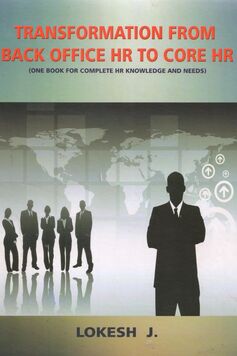 CONTENT Acknowledgement
Foreword
 ಪರಿವಿಡಿ 1. ಮನದ ಕದ ತಟ್ಟಿದ ಪತ್ರ
2. ಲೋಕಾತೀತಪುರುಷ! 3. ನಂಬಿಕೆ...ದಾರಿ ಬೆಳಕು 4. ನಮ್ಮ ಜೀವನ, ನಮ್ಮ ಆಯ್ಕೆ 5. ನಮ್ಮತನ 6. ಇತರರ ಬೆಳಕು 7. ನಮ್ಮಲ್ಲಿರುವುದು ಮಹತ್ವವಾದದ್ದು... 8. ಅಪ್ಪನ 25 ಪೈಸೆಯ ಮಿಠಾಯಿ 9. ವ್ಯಕ್ತಿತ್ವ...ವ್ಯಕ್ತಿತ್ವದೊಂದಿಗೆ... 10. ತುಸು ಹೆಚ್ಚಿನ ಶ್ರಮ... 11. ಉತ್ಕಟವಾದ ಆಯ್ಕೆಗಳು 12. ಮಂಗಳಮುಖಿ... 13. ಉಚಿತ ಊಟವಿಲ್ಲ... 14. ಹಸಿರು ಮಾಯವಾಯಿತು... 15. ಕೊಂಚ ಜಾಸ್ತಿ ಬೇಕು... 16. ನಕಾರಾತ್ಮಕತೆಯಲ್ಲಿಯೂ ಸಕಾರಾತ್ಮಕತೆಯಿದೆ... 17. ಅಮ್ಮನ ವಿಮಾನದ ಆಸೆ... 18. ನಾವು ನೋಯಿಸುವುದರಲ್ಲಿ ನಿಸ್ಸೀಮರು...? 19. ನನ್ನ ಸೂಪರ್ ಹೀರೋ... 20. ಆ ವ್ಯಕ್ತಿತ್ವಗಳ ಸಾಕ್ಷಾತ್ಕಾರ... 21. ನೋವಿನಲ್ಲೂ ಸಂಬಂಧಗಳು... 22. ಬದಲಾವಣೆ ಬದಲಾಯಿಸಬಲ್ಲದು... 23. ಬದಲಾಯಿಸಿದ ಪ್ರಾಮಾಣಿಕತೆ 24. ಅಪ್ಪನ ಎರಡನೆಯ ಮಗ... 25. ಗುರುಗಳಿಗೆ ಅರ್ಪಣೆ... 26. ಅತ್ತೆ, ಸೊಸೆಯಾಗಬೇಕೆಂಬ ಆಸೆ... 27. ನಿನ್ನೊಳಗಿನ ಕೌಶಲ್ಯವೇ, ನಿನ್ನ ಶಕ್ತಿ... 28. ನಾಯಕ, ನಾಯಕನಿಗೆ ತೋರಿಸಿದ ದಾರಿ... ಗುರುಗಳ ನಲ್ನುಡಿಗಳು 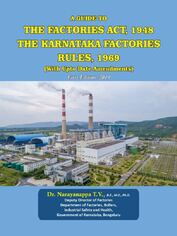 Author : Dr. Narayanappa T.V. Pages : 688 Contents Foreword
Preface Acknowledgement PART - I THE FACTORIES ACT, 1948 1. History CHAPTER 1, PRELIMINARY 1. Short title, extent and commencement 2. Interpretation 3. References to time of day 4. Power to declare different departments to be separate factories or two or more factories to be a single factory. 5. Power to exempt during public emergency 6. Approval, licensing and registration of factories 7. Notice by occupier 7A. General duties of the occupier 7B. General duties of manufacturers, etc. as regards articles and substances for use in factories CHAPTER II, THE INSPECTING STAFF 8. Inspectors 9. Powers of Inspectors 10. Certifying surgeons 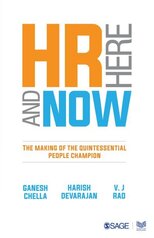 Contents List of Abbreviations
Preface Acknowledgements Introduction Contributing Organisations and Leaders Part 1. HR Refreshed 1.Through the Eyes of the Beholder 2.New Meanings 3.Evolving Expectations 4.The Doing, Feeling and Thinking Paradigm Part 2. Bringing People on Board 5.Planning in Uncertain Times 6.Remaining Attractive 7.Choosing Right Part 3. Managing People 8.The Spectrum of Relationships 9.Learning, the New Way 10.Beyond Managing Performance 11.Money and Beyond 12.Managing the Moments of Truth Part 4. Management and Leadership Development 13.Aspirations and Needs 14.Channelising Aspirations 15.Institutionalising the Process 16.Developing Managers and Leaders Part 5. Making the Organisation Effective 17.Leading Change 18.Designing Organisations 19.Contributing to Leadership Effectiveness 20.Shaping the Way Organisations Work Part 6. Managing the Relationship with Employees 21.Boundaries Redefined 22.What Really Matters 23.Towards Progressive Employee Relations Part 7. The Making of the Quintessential People Champion 24.Advancing in HR 25. The Young HR Professional's Readiness to Serve 26.The CEO's Schooling as a People Champion Epilogue About the Authors 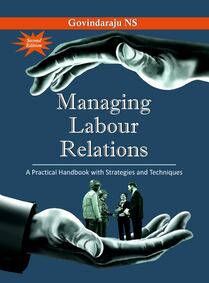 Contents Preface
Dear Readers, Most of the literature available on industrial relations today focus on the legal provisions and solutions based on judicial principles. The solutions and approaches based on people management, practical experience, and human behaviour are scarce. It is not that the experience and knowledge are not available. Some experts and professionals have used and tested principles and solutions based on management principles. However, the experience is not getting shared through writing as expected. One may find a few articles and blogs here and there, but it is not sufficient. An organized and committed effort is still to start on this subject. This book is a sincere effort to share the learnings with professionals, students, and the academic community. 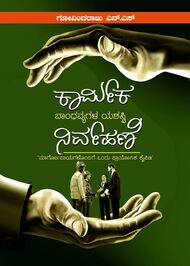 ಮುನ್ನುಡಿ
ಅಭಿವೃದ್ಧಿಯ ಪಥದತ್ತ ದಾಪುಗಾಲಿಡಲು ಪ್ರಗತಿಪರ ಕೈಗಾರಿಕಾ ಬಾಂಧವ್ಯವು ಅತ್ಯಂತ ಪ್ರಮುಖ ಮತ್ತು ಇಂದಿನ ಸ್ಪರ್ಧಾತ್ಮಕ ಯುಗದಲ್ಲಿ ಅನಿವಾರ್ಯವಾಗಿದೆ. ಜಾಗತಿಕ ಸವಾಲುಗಳ ಮೇಲೆ ಬೆಳಕು ಚೆಲ್ಲಿ, ಸಕಾರಾತ್ಮಕ ಚಿಂತನೆ, ಅರ್ಪಣೆ ಮತ್ತು ನಿರೀಕ್ಷೆಗಳ ಮೂಲಕ ಗುರಿ ಸಾಧಿಸುವ ಕಾರ್ಯವೈಖರಿಯು ಬಹುಮುಖ್ಯವಾಗಿದೆ. ವಾಸ್ತವಿಕೆಯ ಅನಾವರಣವು ಹೊಂದಾಣಿಕೆಗೆ ರೂಪುರೇಷೆಯನ್ನೊದಗಿಸಿ ಕಲಿಕೆ ಮತ್ತು ಆಚರಣೆಯನ್ನು ಪ್ರೇರೇಪಿಸಲು ಸಹಕರಿಸುತ್ತದೆ. 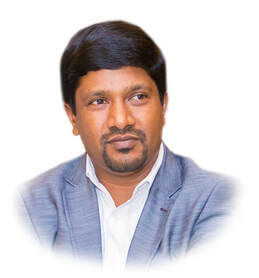 ಗೋವಿಂದರಾಜು ಎನ್.ಎಸ್ ಮಾನವ ಸಂಪನ್ಮೂಲ ಪ್ರಧಾನ ವ್ಯವಸ್ಥಾಪಕರು ಕರ್ನ್ ಲಿಬರ್ಸ್ ಇಂಡಿಯಾ ಪ್ರೈ. ಲಿ, ತುಮಕೂರು ಮಾನವ ಸಂಘಜೀವಿ ಮತ್ತು ಸಮಾಜಜೀವಿ. ತನ್ನ ಅಕ್ಕಪಕ್ಕ ಇತರರು ಇಲ್ಲದಿದ್ದರೆ ಆತನ ಜೀವನವೇ ಇಲ್ಲ. ತನ್ನ ಜೀವನದುದ್ದಕ್ಕೂ ಒಂದಲ್ಲ ಒಂದು ರೀತಿಯಲ್ಲಿ ಒಂದಲ್ಲ ಒಂದು ರೀತಿಯ ಸಂಬಂಧಗಳ ನಡುವೆ ಬದುಕುತ್ತಾನೆ. ಹಾಗಾದರೆ, ಸಂಬಂಧಗಳು ಎಂದರೇನು? ಅಪ್ಪ ಅಮ್ಮ ಇವರ ನಡುವೆ ಮಕ್ಕಳಿಗಿರುವ ಪ್ರೀತಿ ಪ್ರೇಮ ಒಡನಾಟ ಇವು ಸಂಬಂಧಗಳೇ? ಅಣ್ಣ ತಮ್ಮ, ಅಕ್ಕ ತಂಗಿ, ಗಂಡ ಹೆಂಡತಿ ಇವರ ನಡುವೆ ಇರುವ ಸಂಬಂಧಗಳು ಸಂಬಂಧಗಳೇ? ಇವೆಲ್ಲವೂ ಸಂಬಂಧಗಳೇ. ನಾವು ಅಂದುಕೊಂಡ ಹಾಗೆಲ್ಲ ಸಂಬಂಧಗಳು ಮತ್ತು ನಾವು ಬೆಳೆಸಿಕೊಂಡ ಹಾಗೆ ಸಂಬಂಧಗಳು. ಒಳ್ಳೆಯ ಸಂಬಂಧಗಳು ಮತ್ತು ಕೆಲವೊಮ್ಮೆ ಒಳ್ಳೆಯವಲ್ಲದ ಸಂಬಂಧಗಳು ನಮ್ಮ ಅನುಭವಕ್ಕೆ ಬರಬಹುದು. ನನ್ನ ಪ್ರಕಾರ, ‘ನಾವು ಹೇಗೆ ಮತ್ತೊಬ್ಬರನ್ನು ಭಾವಿಸುತ್ತೇವೆ, ನಾವು ತೋರುವ ವರ್ತನೆಯ ಸಕಾರಾತ್ಮಕ ತೀವ್ರತೆ, ಅವರೊಡನೆ ಸಹಕರಿಸುವ ರೀತಿ, ಅವರ ಭಾವನೆಗಳಿಗೆ, ಕಷ್ಟಗಳಿಗೆ ಸ್ಪಂಧಿಸುವ ರೀತಿ, ಅವರೊಡನೆ ನಡೆದುಕೊಳ್ಳುವ ರೀತಿ, ತೋರುವ ಪ್ರೀತಿ ವಾತ್ಯಲ್ಯ ಇವೆಲ್ಲವನ್ನೂ ಒಟ್ಟಾರೆಯಾಗಿ ಸಂಬಂಧಗಳು ಎನ್ನಬಹುದು.’
 K.VittalaRao. B.Sc. B.L. DSSA Management Consultant. Any Business segment is surrounded by plethora of Legislations – Company Law, Taxation, Duties, Employment & Separations, Social Security, and Environment and so on. Adherence to the Laws is the fundamental duty of any Business Corporate –being a Corporate Citizen asotherwise the existence itself would be at stake. Corporates, have evolved strategies towards accomplishments of BusinessExcellence, through their Vision, MissionStatements & Objectives . The vision or the mission speaks of the commitment of a Corporate towards being ethical; respect Law of the Land,
 PREFACE
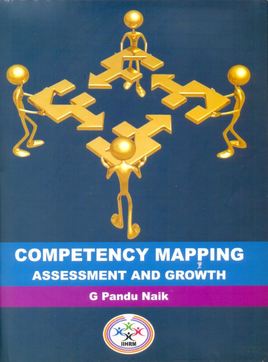
Competency based human resource (HR) management practices make positive impact. That is why most of the reputed organizations in India and abroad have introduced it. Even though competency based HR has a history of nearly thirty years, it continues to be a confused subject even today for want of proper books. In recent times many of our Business Schools have introduced competency mapping as a specialised subject but teachers and students are finding it difficult to get a good book to study. Dearth of good books in this subject is not the case in India alone but in the entire Asia Pacific region. Another subject in HR which is very important but does not have good books is Personal Growth and Interpersonal Effectiveness. Considering these needs of HR profession in mind I have written this book by utilising my professional and academic experience. ದ್ವಿತೀಯ ರಾಜ್ಯಮಟ್ಟದ ಮಾನವ ಸಂಪನ್ಮೂಲ ವೃತ್ತಿನಿರತರ ಕನ್ನಡ ಸಮ್ಮೇಳನವು ಬೆಂಗಳೂರಿನಲ್ಲಿ ಯಶಸ್ವಿಯಾಗಿ ನೆರವೇರಿತು. ಈ ಸಮ್ಮೇಳನವನ್ನು ಕರ್ನಾಟಕ ಮಾಲೀಕರ ಸಂಘ, ಎನ್ಐಪಿಎಂ – ಕರ್ನಾಟಕ ಚಾಪ್ಟರ್, ಬೆಂಗಳೂರು ವಿಶ್ವವಿದ್ಯಾಲಯದ ಸಮಾಜಕಾರ್ಯ ವಿಭಾಗ, ಕರ್ನಾಟಕ ವೃತ್ತಿನಿರತರ ಸಮಾಜಕಾರ್ಯಕರ್ತರ ಸಂಘ ಸಹಯೋಗದೊಂದಿಗೆ ಆಯೋಜಿಸಲಾಗಿತ್ತು. ಈ ಕನ್ನಡ ಸಮ್ಮೇಳನದಲ್ಲಿ ಸುಮಾರು 400 ಜನ ಮಾನವ ಸಂಪನ್ಮೂಲ ವೃತ್ತಿಪರರು ಭಾಗವಹಿಸಿದ್ದರು. ಕಾರ್ಯಕ್ರಮದ ಅಧ್ಯಕ್ಷರಾಗಿ ಶ್ರೀ ಬಿ.ಸಿ. ಪ್ರಭಾಕರ್, ಕರ್ನಾಟಕ ಮಾಲೀಕರ ಸಂಘ ಮತ್ತು ವಕೀಲರು-ಬಿ.ಸಿ.ಪಿ. ಅಸೋಸಿಯೇಟ್ಸ್, ಮುಖ್ಯ ಅತಿಥಿಗಳಾಗಿ ಡಾ. ಗುರುರಾಜ ಕರಜಗಿ, ಅಧ್ಯಕ್ಷರು - ಕ್ರಿಯೇಟಿವ್ ಅಕಾಡೆಮಿ ಮತ್ತು ಅತಿಥಿಗಳಾಗಿ ಶ್ರೀ ಹನುಮಂತರಾಯಪ್ಪರವರು, ಸಂಸ್ಥಾಪಕ ಸದಸ್ಯರು, ನಿರಾತಂಕ ಮತ್ತು ಮಾಜಿ ಅಧ್ಯಕ್ಷರು - ಬಿಎಂಐಸಿಎಪಿಎ ಭಾಗವಹಿಸಿದ್ದರು.
|

RAMESHA NIRATANKACategories
All

Nirathanka Citizens Connect





50,000 HR PROFESSIONALS ARE CONNECTED THROUGH OUR NIRATHANKA HR GROUPS.
YOU CAN ALSO JOIN AND PARTICIPATE IN OUR GROUP DISCUSSIONS. |
||||


 RSS Feed