
|
ಮಾನವರ ವರ್ತನೆಯು ತುಂಬ ವಿಶೇಷ ಮತ್ತು ಸಂಕೀರ್ಣ. ಪ್ರತಿಯೊಬ್ಬ ವ್ಯಕ್ತಿಯೂ ವಿಭಿನ್ನ. ಪ್ರತಿಯೊಬ್ಬರೂ ತಮ್ಮದೇ ಆದ ವ್ಯಕ್ತಿತ್ವ ಮತ್ತು ವರ್ತನೆಗಳನ್ನು ಹೊಂದಿರುತ್ತಾರೆ. ಈ ವಿಶೇಷತೆಗೆ ಮತ್ತು ವಿಭಿನ್ನತೆಗೆ ಅವರು ಇರುವ ಸಮಾಜದ ಪರಿಸ್ಥಿತಿಗಳು, ತಮ್ಮ ಜೀವನದಲ್ಲಿ ಆದ ಬದಲಾವಣೆಗಳು, ಅವರ ಮೇಲೆ ಆದ ಪ್ರಭಾವಗಳು, ಅವರು ಮಾಡಿಕೊಂಡ ಸಹವಾಸಗಳು, ಅಭ್ಯಾಸಗಳು ಇನ್ನೂ ಅನೇಕ ಅಂಶಗಳು ಕಾರಣವಾಗುತ್ತವೆ. ಈ ವಿಶೇಷತೆಯೊಂದಿಗೆ ಉದ್ಯಮಗಳು ತಮಗೆ ಬೇಕಾದ ಮಾನವ ಸಂಪತ್ತನ್ನು ಸಮಾಜದಿಂದ ತೆಗೆದುಕೊಳ್ಳುತ್ತವೆ. ಉದ್ಯಮಗಳು ಈ ಮಾನವ ಸಂಪತ್ತನ್ನು ತಮ್ಮ ಉದ್ದೇಶಗಳ ಸಾಧನೆಗಾಗಿ ಯಾವ ರೀತಿ ಉಪಯೋಗಿಸಿಕೊಳ್ಳಬೇಕು ಎಂಬುದನ್ನು ತಿಳಿದಿರಬೇಕು ಮತ್ತು ಸತತವಾಗಿ ಅವರನ್ನು ಹೆಚ್ಚಿನ ಸವಾಲುಗಳನ್ನು ಎದುರಿಸಲು ತಯಾರು ಮಾಡುತ್ತಿರಬೇಕು. ಅಲ್ಲದೆ ಹೆಚ್ಚಿನ ಕಾಲ ಒಟ್ಟಿಗೆ ಕೆಲಸ ಮಾಡಲು ಹಾಗು ಸಹಭಾಗಿತ್ವವನ್ನು ತರಲು ಅವರಲ್ಲಿ ಉತ್ಸಾಹ ತುಂಬಿ ಅಗತ್ಯ ಪಕ್ವತೆಯನ್ನು (maturity) ಬೆಳಸಬೇಕು. ಅಗತ್ಯ ಶಿಕ್ಷಣ, ತರಬೇತಿ ಮತ್ತು ಲವಲವಿಕೆ (engagement) ಮತ್ತಿತರ ಯೋಜಿತ ಕಾರ್ಯಕ್ರಮಗಳ ಮುಖಾಂತರ ಕಾರ್ಮಿಕರ ಅಭಿವೃದ್ದಿಗೆ ಶ್ರಮಿಸುವುದು ಯಾವಾಗಲೂ ಸಂಸ್ಥೆಯ/ಉದ್ಯಮದ ಜವಾಬ್ಧಾರಿಯಾಗುತ್ತದೆ. ಹಾಗೆಯೇ ಕಾರ್ಮಿಕರೊಂದಿಗೆ ವ್ಯವಹರಿಸುವಾಗ ನ್ಯಾಯೋಚಿತವಾಗಿ ನಡೆದುಕೊಳ್ಳಬೇಕು. ಯಾವಾಗ ಸಂಸ್ಥೆ ತನ್ನ ಜವಾಬ್ಧಾರಿಗಳನ್ನು ಸಮರ್ಥವಾಗಿ ನಿರ್ವಹಿಸಲು ವಿಫಲಗೊಳ್ಳುತ್ತದೆಯೋ ಆಗ ಕಾರ್ಮಿಕ ಅಶಾಂತಿ, ವಿವಾದಗಳು ಮತ್ತು ಸಂಘರ್ಷಗಳು ಉದ್ಬವವಾಗುತ್ತವೆ. ಹಾಗೆಂದಾಕ್ಷಣ, ಕಾರ್ಮಿಕರಿಗೆ ಯಾವುದೇ ಜವಾಬ್ದಾರಿಗಳು ಇಲ್ಲವೆಂದರ್ಥವಲ್ಲ ಮತ್ತು ಅವರು ತಪ್ಪುಗಳನ್ನು ಮಾಡುವುದಿಲ್ಲ ಎಂದರ್ಥವಲ್ಲ. ಅವರಿಗೂ ತಮ್ಮದೇ ಆದ ಜವಬ್ದಾರಿಗಳಿವೆ ಮತ್ತು ಅವರ ಉದ್ದೇಶಪೂರ್ವಕ ಇಲ್ಲವೆ ನಿರುದ್ದೇಶ ಪೂರ್ವಕ ತಪ್ಪುಗಳು ತೀವ್ರ ಸಂಘರ್ಷಗಳಿಗೆ ಮತ್ತು ಅಡ್ಡ ಪರಿಣಾಮಗಳಿಗೆ ಕಾರಣಗಳಾಗಿವೆ. ಆದರೆ, ಗಮನಿಸಬೇಕಾದ ಒಂದು ವಿಚಾರವೆಂದರೆ ಕಾರ್ಮಿಕರನ್ನು ಸರಿಯಾಗಿ ಸಿದ್ದಪಡಿಸಿ ಅವರನ್ನು ಕಂಪನಿಯ ಉದ್ದೇಶಗಳ ಸಾಧನೆಗೆ ಉಪಯೋಗಿಸಿಕೊಳ್ಳಬೇಕಾದದ್ದು ಸಂಸ್ಥೆಯ ಪ್ರಾಥಮಿಕ ಜವಬ್ದಾರಿ. ಈ ಪ್ರಕ್ರಿಯೆಯಲ್ಲಿ ಕಾರ್ಮಿಕರ ಕೊಡುಗೆಗಳಿಗೆ ಅನುಸಾರವಾಗಿ ಅವರಿಗೆ ಮೌಲ್ಯ ವೃದ್ದಿ ಸೃಷ್ಟಿಸುವುದು ಉದ್ಯಮದ ಜವಾಬ್ದಾರಿಯಾಗುತ್ತದೆ. ಯಾವ ಕೆಲಸಗಳು, ಬೇಕು ಬೇಡಗಳು ಉತ್ತಮ ಕೈಗಾರಿಕಾ ವಾತಾವರಣವನ್ನು ಸೃಷ್ಟಿಸಲು ಸಹಾಯ ಮಾಡುತ್ತವೆ ಎಂಬುದನ್ನು ನಮ್ಮ ಅನುಭವ ನಮಗೆ ಕಲಿಸಿಕೊಟ್ಟಿದೆ. ಈ ನಿಟ್ಟಿನಲ್ಲಿ, ಕೆಲವೊಂದು ಬೇಕು ಬೇಡಗಳು, ಕೈಗೊಳ್ಳಬಹುದಾದ ಯೋಜನೆಗಳು ಮತ್ತು ಎಚ್ಚರಿಕೆ ವಹಿಸಬೇಕಾದ ಕೆಲವು ಕ್ರಮಗಳನ್ನು ಈ ಕೆಳಗೆ ವಿವರಿಸಲು ಪ್ರಯತ್ನಿಸಲಾಗಿದೆ.
0 Comments
ನಿರಾತಂಕ ಸ್ವಯಂ ಸೇವಾ ಸಂಸ್ಥೆಯ ವತಿಯಿಂದ INOX ಚಿತ್ರಮಂದಿರದ 7 ಕಡೆಗಳಲ್ಲಿ POSH (The Sexual Harassment of Women at Workplace (Prevention, Prohibition and Redressal) Act, 2013 ) ಕುರಿತಂತೆ ತರಬೇತಿ ಕಾರ್ಯಾಗಾರವನ್ನು ಹಮ್ಮಿಕೊಳ್ಳಲಾಗಿತ್ತು. ಈ ತರಬೇತಿ ಕಾರ್ಯಾಗಾರವನ್ನು ನಡೆಸಿಕೊಟ್ಟವರು ನಿರಾತಂಕ ತಂಡದ ಶ್ರೀಮತಿ ಶ್ರೀಲಕ್ಷ್ಮೀ, ಮಂಜುನಾಥ್ (MJ Management), ಗಂಗಾಧರ್, ನಾಗರಾಜ್ ನಾಯಕ್. ಹೆಚ್ಚಿನ ಮಾಹಿತಿಗಾಗಿ: http://www.niratanka.org/posh-committee.html ಜಾಗತೀಕರಣದ ಪ್ರಭಾವದಿಂದ ಮಾನವ ಸಂಪನ್ಮೂಲ ವಿಭಾಗದ ಉಗಮ ಎಂಬ ಅಭಿಪ್ರಾಯ ಇಂದು ಎಲ್ಲರಲ್ಲಿಯೂ ಮನೆಮಾತಾಗಿರುವುದು ಸತ್ಯವಾಗಿರುವುದಷ್ಟೇ ಅಲ್ಲದೇ ಈ ವಿಭಾಗವು ಹೊರ ರಾಷ್ಟ್ರಗಳು ಭಾರತಕ್ಕೆ ಮತ್ತು ಭಾರತದ ಕೈಗಾರಿಕಾ ಬೆಳವಣಿಗೆಗೆ, ನೀಡಿದ ಕೊಡುಗೆಯಾಗಿದೆ ಎಂಬುದು ಹಾಸ್ಯಾಸ್ಪದವೇ ಸರಿ. ಕಾರಣ ಈ ಮಾನವ ಸಂಪನ್ಮೂಲ ವಿಭಾಗದ ಮುಖ್ಯ ಪರಿಕಲ್ಪನೆಗಳಾದ Organisational values, Diversity, Performance Management, Training and Development, People transformation, Problem solving, Communication etc., ಮುಂತಾದವುಗಳ ಉಲ್ಲೇಖ ಅಷ್ಟೇ ಅಲ್ಲದೆ ಈ ವಿಷಯಗಳಲ್ಲಿನ ಪರಿಪೂರ್ಣ ಪರಿಕಲ್ಪನೆಗಳನ್ನು ಸರಿಸುಮಾರು 1200 ವರ್ಷಗಳನ್ನು ಹಿಂದೆಯೇ ನಮ್ಮ ಕನ್ನಡ ಸಾಹಿತ್ಯದಲ್ಲಿ, ಅದರಲ್ಲಿಯೂ ವಚನ ಸಾಹಿತ್ಯ, ದಾಸ ಸಾಹಿತ್ಯ ಹಾಗೂ ಇತ್ತೀಚೆಗೆ ಬಂದಂತಹ ಡಿ.ವಿ.ಜಿ. ಯವರ ಕಗ್ಗದಂತಹ ಸಾಹಿತ್ಯ ಪ್ರಕಾರಗಳಲ್ಲಿ ಕಾಣಬಹುದಾಗಿದೆ.
ಈ ದೃಷ್ಟಿಯಿಂದ, ಮಾನವ ಸಂಪನ್ಮೂಲ ಪರಿಕಲ್ಪನೆಗಳನ್ನು, ಭಾರತ ಅನ್ಯ ರಾಷ್ಟ್ರಗಳಿಗೆ ಎರವಲಾಗಿ ನೀಡಿದೆ ಎಂಬುದು ಕಟು ಸತ್ಯವೇ ಹೊರತು, ಈ ಪರಿಕಲ್ಪನೆ ಹೊರ ರಾಷ್ಟ್ರದಿಂದ ನಮ್ಮ ರಾಷ್ಟ್ರಕ್ಕೆ ಬಂದ ವಿಚಾರವಲ್ಲ. ಈ ಕಟು ಸತ್ಯವನ್ನು ನಾವು ಅಂದರೆ, “So called HR Professionals”, ಜಗತ್ತಿಗೆ ಬಹಳ ಸ್ಪಷ್ಟವಾಗಿ ತಿಳಿಸದೇ ಹೋದಲ್ಲಿ ಹಾಗೂ ಮಾನವ ಸಂಪನ್ಮೂಲ ವಿಭಾಗದ ಸರ್ವಾಂಗೀಣ ಅಭಿವೃದ್ಧಿಗೆ ಕನ್ನಡ ಸಾಹಿತ್ಯದ ವಿವಿಧ ಪ್ರಕರಗಳನ್ನು ಅಧ್ಯಯನ ಮಾಡದೇ ಹೋದಲ್ಲಿ ನಮಗೆ ನಾವೇ ದ್ರೋಹ ಬಗೆದುಕೊಂಡಂತಾಗುತ್ತದೆ. ಈ ದಿಶೆಯಲ್ಲಿ “ಕನ್ನಡ ಸಾಹಿತ್ಯ ಮತ್ತು ಆಧುನಿಕ ಮಾನವ ಸಂಪನ್ಮೂಲ ವಿಭಾಗದ ಸಂಪೂರ್ಣ ಅಭ್ಯುದಯ, ಒಂದು ತುಲನಾತ್ಮಕ ಅಧ್ಯಯನ”ದ ಅವಶ್ಯಕತೆ ಬಹಳವಿದ್ದು, ಇದಕ್ಕಾಗಿ ಪ್ರಾಮಾಣಿಕ ಪ್ರಯತ್ನವನ್ನು ಮಾಡಬೇಕಾಗಿದೆ. ನಾಗಭೂಷಣ್ Dy. General Manager - HR & IR, SEG Automotive (BOSCH Ltd.,) ಈಗಿನ ಆಧುನಿಕ ಕಂಪ್ಯೂಟರ್ ಯುಗದಲ್ಲಿ, ಸಂಬಂಧಗಳು ಇಂಟರ್ನೆಟ್ ನ ಸ್ಪೀಡ್ ಗೆ ಒಳಗಾಗಿ, ಭಾವನೆಗಳು ಮತ್ತು ಮೌಲ್ಯಗಳು ನಶಿಸುತ್ತಿರುವುದು ವಿಷಾದನೀಯ. ಇಂತಹ ದುಸ್ಥಿತಿಯಲ್ಲಿನ ನಾವು ಸಂಬಂಧಗಳ ಕಾಪಾಡಿ, ಸಮಾಜ ಕಟ್ಟಬೇಕಾಗಿದೆ. ಈ ನಿಟ್ಟಿನಲ್ಲಿ ಸಮಾಜಕಾರ್ಯಕರ್ತರ ಮತ್ತು ಮಾನವ ಸಂಪನ್ಮೂಲ ಅಧಿಕಾರಿಗಳ ಪಾತ್ರ ಗಣನೀಯ. ಇದಕ್ಕೆ ಪೂರಕವಾಗಿ, ನಮ್ಮೆಲ್ಲರ ಮನಗಳಿಗೆ ಸಂಬಂಧಗಳ ಮಹತ್ವ ತಿಳಿಸುವ ಚಿತ್ರ ಮರಳಿ ಮನೆಗೆ. ಈ ಚಿತ್ರದ ವೀಕ್ಷಣೆಯನ್ನು ದಿನಾಂಕ: (ಅತಿ ಶೀಘ್ರದಲ್ಲೇ), NMS ತರಬೇತಿ ಕೇಂದ್ರದಲ್ಲಿ ಆಯೋಜಿಸಲಾಗಿದೆ. ಚಿತ್ರದ ವೀಕ್ಷಣೆಯ ನಂತರ, ನಿರ್ದೇಶಕರಾದ ಶ್ರೀ ಯೋಗೇಶ್ ಮಾಸ್ಟರ್ ರವರೊಂದಿಗೆ ಸಂವಾದವಿರುತ್ತದೆ. ಈವೊಂದು ಕಾರ್ಯಕ್ರಮದಲ್ಲಿ, ತಾವುಗಳು ಭಾಗಿಯಾಗಿ ಸಂಬಂಧಗಳ ಉಳಿಸಿ, ಬೆಳೆಸಲು ಸಹಕಾರ ಮಾಡಬೇಕಾಗಿ ವಿನಮ್ರ ವಿನಂತಿ. ಈ ಚಲನಚಿತ್ರ ನೋಡಲು ಆಸಕ್ತಿ ಇರುವವರು ಮೊದಲೇ ತಮ್ಮ ಹೆಸರು ಹಾಗೂ ಮಾಹಿತಿಯೊಂದಿಗೆ ನೋಂದಾಯಿಸಿಕೊಳ್ಳಬೇಕು. 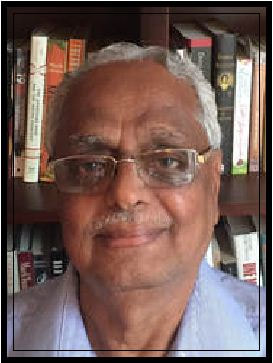 ಕೆ. ವಿಠ್ಠಲ್ ರಾವ್ ಮ್ಯಾನೇಜ್ಮೆಂಟ್ ಕನ್ಸಲ್ಟೆಂಟ್ ಅಂಡ್ ಲೀಗಲ್ ಅಡ್ವೈಸರ್ ಶ್ರೀ ಖಾಡಿಲ್ಕರ್, ಎಲ್ಲರಿಗೂ ನಮಸ್ಥಾರ. ಸಂಸ್ಥೆಯು ತೆಗೆದುಕೊಳ್ಳಲು ನಿರ್ಧಸಿರುವ ಒಂದು ಪ್ರಮುಖ ಯೋಜನೆಯ ಬಗ್ಗೆ ನಿಮ್ಮೆಲ್ಲರೊಂದಿಗೆ ಹಂಚಿಕೊಳ್ಳಲು ನಾನು ಹರ್ಷಿಸುತ್ತೇನೆ. ನಿಮಗೆಲ್ಲಾ ತಿಳಿದಿರುವಂತೆ ಜರ್ಮನಿಯ ನನ್ನ ಹಿಂದಿನ ಭೇಟಿಯ ಸಂದರ್ಭದಲ್ಲಿ, ಏರ್ಕ್ರಾಫ್ಟ್ನ ಟ್ರಾನ್ಸ್ಮಿಷನ್ ಬಿಡಿಭಾಗಗಳನ್ನು ಉತ್ಪಾದಿಸಲು ಮತ್ತು ಸರಬರಾಜು ಮಾಡುವ ಬಗ್ಗೆ ಬೆಕ್ಸ್ಟೀರ್ನೊಂದಿಗೆ ಒಂದು ಕರಾರಿಗೆ ಸಹಿ ಮಾಡಿರುತ್ತೇನೆ. ಆ ಬಿಡಿಭಾಗವು ನವೀನ ತಾಂತ್ರಿಕತೆಯೊಂದಿಗೆ ಅತ್ಯಂತ ಕ್ಲಿಷ್ಟಕರವಾದದ್ದಾಗಿರುತ್ತದೆ. ನಮ್ಮ ಸಂಸ್ಥೆಯು ಅಂತಹ ಬಿಡಿಭಾಗವನ್ನು ಉತ್ಪಾದಿಸಿ ರಫ್ತು ಮಾಡುವ ಮೊದಲನೇ ಸಂಸ್ಥೆಯಾಗಿರುತ್ತದೆ. ಅಂದಾಜಿನ ಪ್ರಕಾರ, ನಮಗೆ ಬೇಡಿಕೆ ಆದೇಶ ಬಂದಲ್ಲಿ, ನಮ್ಮ ಉತ್ಪಾದನಾ ಸಾಮರ್ಥ್ಯದ ಬಳಕೆಯು ಶೇಕಡ 85ರಷ್ಟಕ್ಕೆ ತಲುಪಬಹುದು ಮತ್ತು ಲಾಭಾಂಶವೂ ಸಹ ಉತ್ತಮವಾಗಿರುತ್ತದೆ.
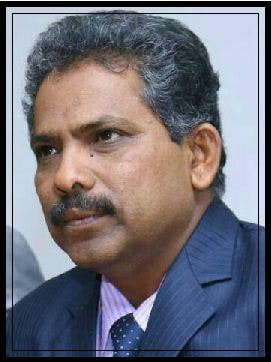 ಜಿ.ಪಿ.ನಾಯಕ್ ಪ್ರಧಾನ ಸಲಹೆಗಾರರು, ಟ್ಯಾಲೆಂಟ್ ಅವಿನ್ಯೂಸ್. ಮಾನವ ಸಂಪನ್ಮೂಲ ನಿರ್ವಹಣೆಯು (ಮಾ.ಸಂ.ನಿ.) ಸಮಕಾಲೀನ ಕೈಗಾರಿಕೆ ಮತ್ತು ಇತರೆ ಸಂಸ್ಥೆಗಳಲ್ಲಿನ ಆಡಳಿತ ವ್ಯವಸ್ಥೆಯ ಮುಖ್ಯ ಅಂಗವಾಗಿದೆ. ಏಕೆಂದರೆ ಯಾವುದೇ ಕೈಗಾರಿಕೆ ಅಥವಾ ಸಂಸ್ಥೆಯ ಉಳಿವು-ಅಳಿವು ಅದರ ಮಾನವ ಸಂಪನ್ಮೂಲ ನಿರ್ವಹಣೆಯ ದಕ್ಷತೆಯನ್ನು ಅವಲಂಬಿಸಿರುತ್ತದೆ. ಕಾರ್ಖಾನೆ, ವಾಣಿಜ್ಯ ಸಂಸ್ಥೆ ಹಾಗೂ ಇತರೆ ಸಂಘಸಂಸ್ಥೆಗಳಲ್ಲಿ, ಜನರನ್ನು ನೌಕರಿಗಾಗಿ ನೇಮಕ ಮಾಡುವುದು, ದಕ್ಷತೆ ಮತ್ತು ಪ್ರಾಮಾಣಿಕತೆಯಿಂದ ಕೆಲಸ ಮಾಡಲು ಅವರಿಗೆ ತರಬೇತಿ ನೀಡುವುದು, ಅವರು ಮಾಡುವ ಕೆಲಸಕ್ಕೆ ಸೂಕ್ತ ಸಂಬಳ ಮತ್ತು ಭತ್ಯೆಯನ್ನು ನೀಡುವುದು, ಮಾಲೀಕ ಮತ್ತು ಕಾರ್ಮಿಕರ ನಡುವೆ ಕಲಹ ರಹಿತ ಸಂಬಂಧವನ್ನು ಬೆಳೆಸುವುದು, ಕಾರ್ಮಿಕ ಕಾಯಿದೆಗಳನ್ನು ಪಾಲಿಸುವುದು, ಸಂಸ್ಥೆಯ ಧ್ಯೇಯೋದ್ದೇಶಗಳನ್ನು ಪೂರೈಸಲು ನೌಕರರ ಮನವೊಲಿಸುವುದು ಇತ್ಯಾದಿ ಚಟುವಟಿಕೆಗಳನ್ನು ಮಾನವ ಸಂಪನ್ಮೂಲ ನಿರ್ವಹಣೆ ಎಂದು ಹೇಳಲಾಗುತ್ತದೆ.
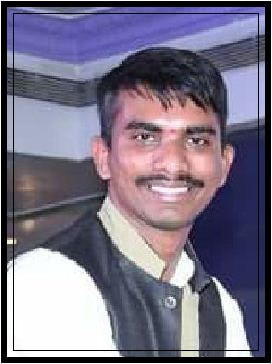 ನವೀನ್ ನಾಯ್ಕ್ ಆಫೀಸರ್, ಮಾನವ ಸಂಪನ್ಮೂಲ ವಿಭಾಗ, ಎಸ್ಸಿಲಾರ್ ಮ್ಯಾನುಫ್ಯಾಕ್ಚರಿಂಗ್ ಇಂಡಿಯಾ ಪ್ರೈ.ಲಿ., ಬೆಂಗಳೂರು. ಪೀಠಿಕೆ
ಭಾಷೆ ಎಂಬುದು ಅನಾದಿ ಕಾಲದಿಂದಲೂ ಸಂವಹನದ ಒಂದು ಮುಖ್ಯ ಭಾಗವಾಗಿ ಮಾನವನ ಎಲ್ಲ ಅಗತ್ಯತೆಗಳನ್ನು ಪೂರೈಸಿಕೊಳ್ಳಲು ಪೂರಕ ಸಾಧನವಾಗಿ ಕಾರ್ಯನಿರ್ವಹಿಸುತ್ತಿದೆ. ಬಹುಶಃ ಭಾಷೆ ಎಂಬುದೇ ಒಂದು ಸಾಧನವಾಗಿ ಮಾನವ ಮತ್ತು ಮೃಗಗಳನ್ನು ಬೇರ್ಪಡಿಸಿದೆ ಎಂದರೆ ತಪ್ಪಲ್ಲ. ಜಗತ್ತಿನ ಸಾವಿರಾರು ಭಾಷೆಗಳಿಗೆ ಹೇಳಿಕೊಳ್ಳುವಷ್ಟು ಇತಿಹಾಸ ಮತ್ತು ಅವಿತವ್ಯ ಪರಂಪರೆಯ ಬೆಂಬಲವಿದೆ. ಭಾಷೆ ಕೇವಲ ಶಬ್ದಗಳ ಆಡಂಬರವಾಗದೆ ಜನರ ಜೀವನಾಡಿಯಲ್ಲಿ ಬೆರೆತು ಹೋಗಿರುತ್ತದೆ. ಸಂಸ್ಕೃತಿಯ ಕೈಪಿಡಿಯಾಗಿ, ಆಚಾರ-ವಿಚಾರಗಳ ಬೆನ್ನೆಲುಬಾಗಿ, ವೃತ್ತಿಧರ್ಮಕ್ಕೆ ಆಸರೆಯಾಗಿ, ಸಂವಹನ ಕಲೆಯನ್ನು ಪೋಷಿಸುತ್ತಾ ಊರಿಂದ ಊರಿಗೆ ನಾಲಗೆಯ ಮೇಲೆ ಹರಿದಾಡಿ ತನ್ನ ತುಂಬು ತೋಳುಗಳಿಂದ ಜನರನ್ನು ಸೆಳೆದಪ್ಪಿಕೊಂಡ ಪರಿಯೇ ಅದ್ಭುತವಾದದ್ದು, ಭಾಷೆಯ ಬೆಂಬಲವಿಲ್ಲದೆ ಇದ್ದರೆ ಮಾನವನ ಬಾಯಿಂದ ಹೊರಟ ರೋದನೆಗಳೆಲ್ಲ ಚೀರಾಟಗಳಾಗಿರುತ್ತಿತ್ತು. ಅಕ್ಷರ ಜೋಡಣೆಗಳಿಲ್ಲದೆ ಅನುಭವಗಳು ಅರ್ಥ ಕಳೆದುಕೊಳ್ಳುತ್ತಿದ್ದವು. 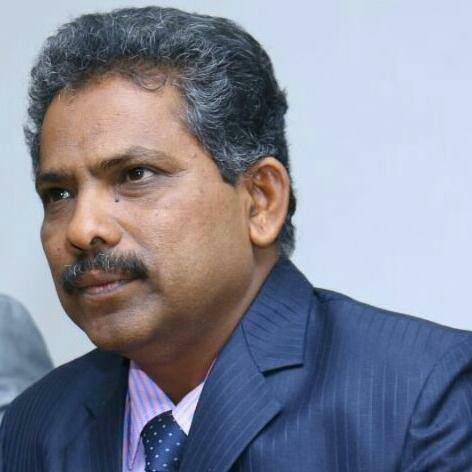 Dr. G.P. Naik Principal Consultant, Talent Avenues, Bangalore Even though the concept of sexual harassment is as old as the history of mankind, its implication at the work place has received attention in recent times. In fact until the verdict in Vishaka Vs. State of Rajasthan (1997) case by the Supreme Court of India in 1997, there were no official guidelines to deal with the subject. The case relates to an alleged gang rape of a social worker in a village of Rajasthan. In this case the court opined that sexual harassment at work place amounts to violation of individual rights guaranteed under Article 14 (equality before law); 15 (prohibition of discrimination on the ground of sex,); 19 (right to practice freely any profession, trade or occupation); 42 (provision for humane conditions of work), and the citizens duties under Article 51A to renounce practices derogatory to the dignity of women.
ಮುನ್ನುಡಿ
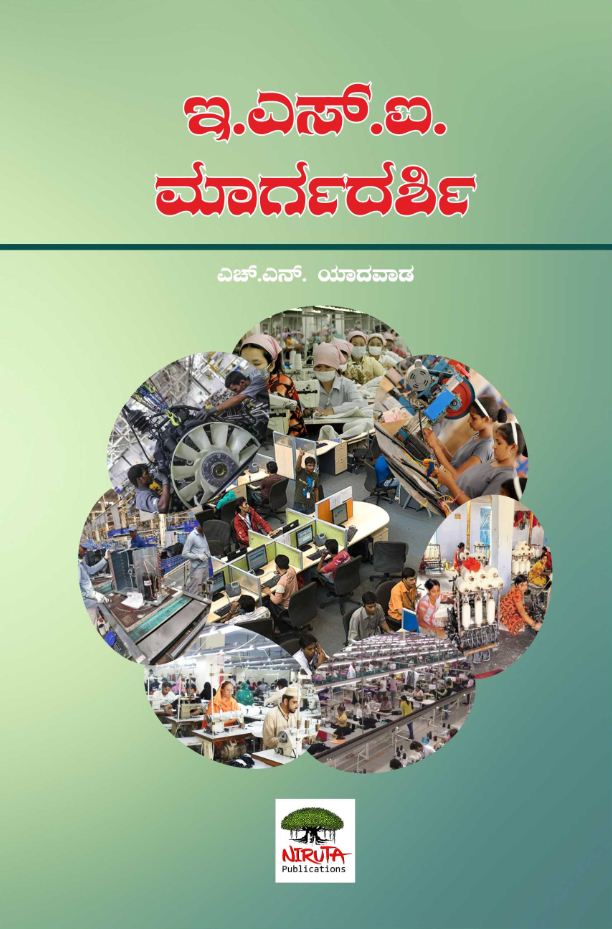
ಪ್ರಪಂಚದಲ್ಲಿಯೇ ಅತೀ ದೊಡ್ಡ ಸಾಮಾಜಿಕ ಸುರಕ್ಷಾ ಯೋಜನೆಯಾದ ಇ.ಎಸ್.ಐ ಯೋಜನೆಯ ಕುರಿತಾದ ಮಾಹಿತಿಗಳ ಜೊತೆಗೆ ಕಾರ್ಮಿಕರ ಆಶೋತ್ತರಗಳನ್ನು ಗಮನದಲ್ಲಿರಿಸಿಕೊಂಡು ಲೇಖಕರು ಈ ಕಿರು ಹೊತ್ತಿಗೆಯನ್ನು ಪ್ರಶ್ನೋತ್ತರ ರೂಪದಲ್ಲಿ ರಚಿಸಿದ್ದಾರೆ. ಇದು ಸಮಯ-ಸಂದರ್ಭ ಔಚಿತ್ಯಗಳಿಗೆ ಅನುಸಾರವಾಗಿ ಇ. ಎಸ್. ಐ ಅಧಿನಿಯಮದ ಕಾನೂನು, ನಿಯಮ, ಹಿತಲಾಭ ಮತ್ತು ಫಲಾನುಭವಗಳ ಇತಿ-ಮಿತಿಗಳನ್ನು ಸ್ಪಷ್ಟವಾಗಿ ತಿಳಿಸುತ್ತದೆ. ಈ ಪುಸ್ತಕದ ಲೇಖಕರೇ ಹೇಳುವಂತೆ ಇ.ಎಸ್.ಐ ಕಾನೂನಿನ ಫಲಾನುಭವ, ಸೌಲಭ್ಯ ಹಾಗೂ ಹಿತಲಾಭಗಳು ಜನರಿಗೆ ಅರ್ಥವಾಗದೇ ಗೊಂದಲಕ್ಕೆ ಈಡಾಗಲು ಕಾರಣವಾಗಿದೆ. ದೇಶದ ವಿವಿಧ ಭಾಷೆಗಳಲ್ಲಿ ಇ.ಎಸ್.ಐ ಯೋಜನೆಯ ಫಲಾನುಭವಗಳನ್ನು ಮುದ್ರಿಸಿ ವಿತರಿಸಲಾಗಿದೆಯಾದರೂ ಕನ್ನಡದಲ್ಲಿ ಸರಳವಾದ ಪ್ರಶ್ನೋತ್ತರ ಮಾದರಿಯಲ್ಲಿ ಇ.ಎಸ್.ಐ ಯೋಜನೆಯ ಕುರಿತಾದ ಮಾಹಿತಿಯನ್ನು ನೀಡಿರುವುದು ಅತ್ಯಂತ ಸೂಕ್ತವಾಗಿದೆ. 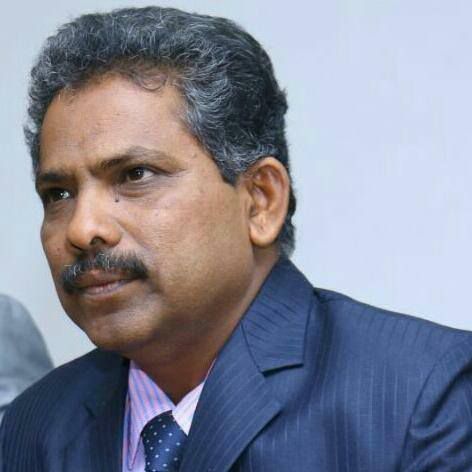 Prof.G.P.Naik, Ph.D Principal Consultant at TalentAvenues Preliminary hearing (PH) is generally, the first sitting or first day of domestic enquiry (DE). PH need not have to be confused with preliminary enquiry or investigation. To conduct it during the first sitting itself, two conditions should have been fulfilled namely; (a) both the parties namely Management Representative (MR) and Charge Sheeted Employee (CSE) should be present and (b) Charge sheet and notice of enquiry must have been sent to CSE by the management by then. If these conditions are not fulfilled then; PH has to be held during second or subsequent sitting when the conditions are met. PH is meant to plan for the regular hearing and not to conduct chief examination or cross examination.
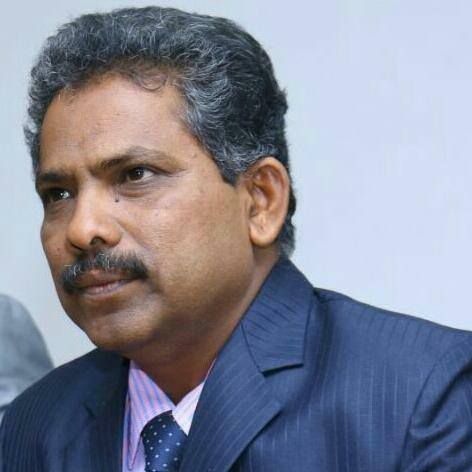 Prof.G.P.Naik, Ph.D Principal Consultant at TalentAvenues Disciplinary action can be conducted against an employee only if he is alleged to have committed misconduct. So what is misconduct? Misconduct is the action (commission) or inaction (omission) of an employee defined by the employer as unacceptable, prohibited or as wrong. An example of action becoming misconduct is that, an employee has slapped another employee or stolen the money belonging to the company. An example of inaction becoming misconduct is that an employee has not locked the office after working hours resulting in theft or has not cleaned the machine which has resulted in stoppage of production. Thus misconduct is the action or inaction of an employee which is against the interest of his employer/ organization.
 Topics Coverage:
 ಕಿರಣ್ ಉರ್ವಾ ಮುನ್ನುಡಿ
ಈ ಸಂಚಿಕೆಯು ಸಂಘ ಸಂಸ್ಥೆಗಳನ್ನು ಕಟ್ಟಿ ಬೆಳೆಯುವುದಕ್ಕೆ ಸ್ಪಷ್ಟವಾದ ದಾರಿಯಾಗಿರುತ್ತದೆ. ಲೇಖಕರು ಶ್ರದ್ಧೆಯಿಂದ ಓದುಗರಿಗೆ ಸ್ವ-ಸಹಾಯ ಸಂಘದಿಂದ ಹಿಡಿದು ಕಿರು ಸಾಲ ಯೋಜನೆಯ ತನಕ ಸಂಬಂಧಿಸಿದ 23 ಅಧ್ಯಾಯಗಳನ್ನು ತೆರೆದಿಟ್ಟಿದ್ದಾರೆ ಹಾಗೂ ಮಹಿಳೆಯರ ವಿವಿಧ ಸಣ್ಣ ಹಾಗೂ ಮಧ್ಯಮ ಗಾತ್ರದ ಸಂಘಟನೆಯನ್ನು ರಚಿಸಲು ಸಹಕಾರಿಯಾಗಿರುತ್ತದೆ. ಸ್ವ-ಸಹಾಯ ಸಂಘ ರಚನೆಗೊಳ್ಳುವಲ್ಲಿ ಮಹಿಳೆಯರ ಹಿಂಜರಿಯುವಿಕೆ ಮತ್ತು ಸೂಕ್ತ ನಿರ್ಧಾರ ತೆಗೆದುಕೊಳ್ಳುವ ವೈಫಲ್ಯತೆಯ ವಾತಾವರಣ ಇದ್ದಾಗ ಸಾಮಾಜಿಕ ಅಭಿವೃದ್ಧಿಯ ನಿಟ್ಟಿನಲ್ಲಿ ಸ್ವ-ಸಹಾಯ ಸಂಘಗಳ ಕಾರ್ಯ ಶ್ಲಾಘನೆ, ಜನಸಾಮಾನ್ಯರ ತಾತ್ಸಾರ ಮತ್ತು ಅವಗಣನೆಯಿಂದಾಗಿ ಸರಕಾರದಿಂದ ಹಾಗೂ ಸ್ಥಳೀಯ ಸಂಘ ಸಂಸ್ಥೆಗಳಿಂದ ಸಿಗುವ ಸೌಲಭ್ಯಗಳಿಂದ ವಂಚಿತರಾಗುತ್ತಾರೆ. ಸಾರ್ವಜನಿಕ ಹಾಗೂ ಸಮುದಾಯ ವಿಶಾಲ ಮನೋಭಾವನೆ ಹಾಗೂ ಜಾಗೃತಿಯನ್ನು ಕಂಡು ಹುಡುಕಲಿ ಸಂಪನ್ಮೂಲಗಳನ್ನು ಕ್ರೋಢೀಕರಿಸಲು ಮಹಿಳೆಯರು ಮುಂದೆ ಬರುತ್ತಿರುವುದು ಬಹಳ ಆಶಾದಾಯಕ ವಿಚಾರ.  U. Kiran PREFACE
This book points out clearly the way of building up self help organizations and groups. The author has devoted 22 chapters to the topic, from the history of SHG to micro financing. As such the book will be of women assistance to organizers of the groups of different sizes. Referring to SHGs we must appreciate the courage disceessment of women who have ventured into this area of community service. Very often the facilities and possibilities offered by government and local bodies remain unused because of ignorance or lethargy on part of citizens. The very fact that woman come forward to form groups which will utilize available resources, proves the fact that public awareness and community mindedness.  Dr. G.P. Naik Principal Consultant at Talent Avenues Domestic enquiry (DE) is a process by which an employee of the organization accused of committing misconduct is subjected to trial within the organization by appointing an enquiry officer (EO), to ascertain the veracity of allegations, so that charge sheeted employee (CSE) can, be punished if proved guilty or be acquitted if not proved guilty. Punishing an employee without conducting the enquiry is illegal, except in case the accused employee unconditionally accepts the alleged misconduct.
 ಸ್ಮಯೋರ್ ಗಣಿ ಕಂಪನಿ ಸಂಡೂರು ರಾಜಮನೆತನದ ಮುಖ್ಯಸ್ಥರ ಒಡೆತನದಲ್ಲಿ 1954 ರಲ್ಲಿ ಪ್ರಾರಂಭಗೊಂಡಿದೆ. ಅಂದಿನ ಗಣಿಯ ವಿಸ್ತೀರ್ಣ ಸುಮಾರು ನಲವತ್ತೇಳು ಚದುರ ಕಿ.ಮೀ. ಇದ್ದು, ಸರ್ಕಾರದ ಕಾನೂನು ಮತ್ತು ಇತರೆ ಕಾರಣಗಳಿಗಾಗಿ, ಕಾಲಕಾಲಕ್ಕೆ ಕಡಿಮೆಯಾಗುತ್ತಾ, ಪ್ರಸ್ತುತ ಅದರ ವ್ಯಾಪ್ತಿ 3200 ಹೆಕ್ಟೇರ್ಗಳಿವೆ. ಉತ್ತಮ ಗುಣಮಟ್ಟದ ಮ್ಯಾಂಗನೀಸ್ ಮತ್ತು ಕಬ್ಬಿಣದ ಅದಿರನ್ನು ಅನುಕ್ರಮವಾಗಿ ಮತ್ತು ವಾರ್ಷಿಕವಾಗಿ 2.54 ಲಕ್ಷ ಮತ್ತು 11.376 ದಶಲಕ್ಷ ಮೆಟ್ರಿಕ್ ಟನ್ ಉತ್ಪಾದನೆ ಮಾಡಲಾಗುತ್ತಿದೆ. ಉತ್ಪಾದನೆಯನ್ನು ಆಂತರಿಕವಾಗಿ ಮಾರಾಟ ಮಾಡುವುದರ ಜೊತೆಗೆ ಹೊರ ದೇಶಗಳಿಗೆ ರಫ್ತನ್ನೂ ಮಾಡಲಾಗುತ್ತಿದೆ. ಪ್ರಸ್ತುತ ಸಂಸ್ಥೆಯಲ್ಲಿ ಒಟ್ಟಾರೆಯಾಗಿ ಉದ್ಯೋಗಿ / ಕಾರ್ಮಿಕರ ಸಂಖ್ಯೆ 1972 ಇದೆ.
 Dr. G.P. Naik Director, Talent Avenues When an employee (or worker) of an organization (or company) is alleged to have committed a misconduct (or mistake) the employer (or manager) has to hold an enquiry, in accordance with the principles of natural justice and as per the provisions of the standing orders (or service rules) to find out if the allegations are true and to determine; what punishment will meet the ends of justice, if the allegations are fully or partially proved in the enquiry.
 K.V. Ramaswamy HR and Legal Professional 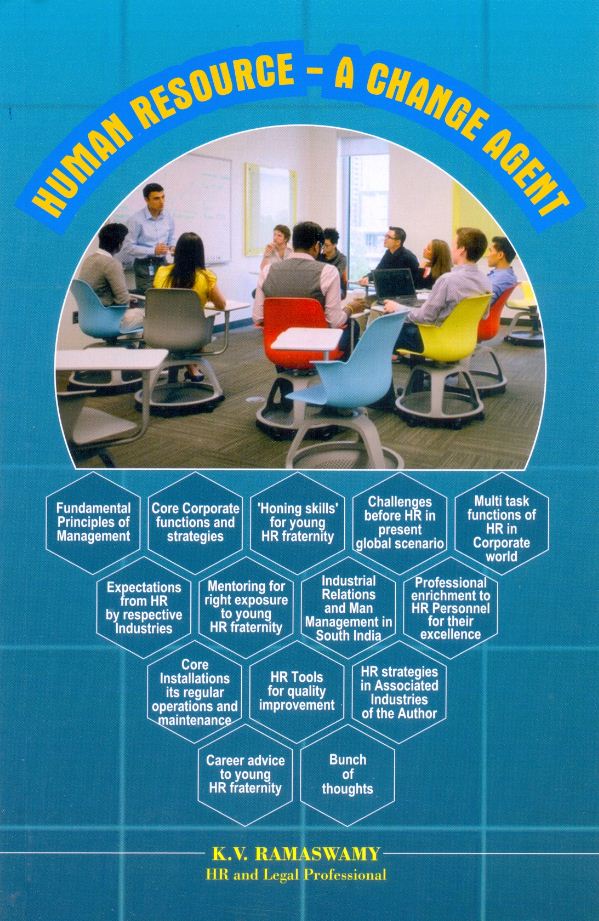 PREFACE
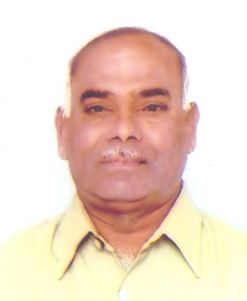
The author of this book is a Human Resource Professional and a practicing Advocate who had served in many medium and large scale Industrial Establishments of repute, both Engineering, Service sectors and MNCs heading a large team of HR professionals. He carrys with him a vast experience of 30 years in the line. Before entering into HR line, he had hands on Administrative experiences having worked in many Government Departments including State Secretariat in Karnataka. The Organizations he associated were-HMT Ltd., a gaint Public Sector Company of multi consumer and industrial products, JSW Steels Ltd., (a steel jargon) of Jindals, Jindal Aluminium Ltd., Dempos, ITC Ltd., Taneja Aerospace & Aviation Ltd., G4S Secure Solutions and others in South India. 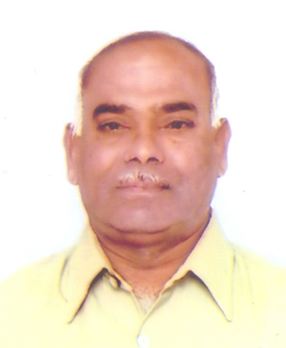 ಎಚ್.ಎನ್. ಯಾದವಾಡ ನಿವೃತ್ತ ಸಹ ನಿರ್ದೇಶಕರು, ಕಾರ್ಮಿಕ ಹಾಗೂ ಉದ್ಯೋಗ ಇಲಾಖೆ, ಭಾರತ ಸರಕಾರ ಕೈಗಾರಿಕಾ ಕ್ರಾಂತಿಯ ಪರಿಣಾಮದಿಂದಾಗಿ ಜಗತ್ತಿನಾದ್ಯಂತ ಬೃಹತ್ ಪ್ರಮಾಣದಲ್ಲಿ ಕಾರ್ಖಾನೆಗಳು ಸ್ಥಾಪನೆಗೊಂಡವು. ಕೇವಲ ಬೆರಳಿಣಿಕೆಯಷ್ಟು ಜನ ಕೆಲಸ ಮಾಡುವ ಗುಡಿ ಕೈಗಾರಿಕೆಗಳಿಗೆ ಸೀಮಿತವಾಗಿದ್ದ ಉದ್ದಿಮೆಗಳು ಸಾವಿರಾರು ಕಾರ್ಮಿಕರು ಕಾರ್ಯನಿರ್ವಹಿಸುವ ಕಾರ್ಖಾನೆಗಳಾಗಿ ಪರಿವರ್ತನೆಗೊಂಡವು. ಯಂತ್ರಗಳ ಜೊತೆಗೆ ಹಗಲಿರುಳು ದುಡಿಯುವ ಲಕ್ಷ-ಲಕ್ಷ ಜನರು ತಮ್ಮ ಜೀವನವನ್ನು ತಾವು ದುಡಿಯುತ್ತಿರುವ ಉದ್ದಿಮೆಗಳ ಮಾಲೀಕರಿಗಾಗಿ ಮೀಸಲಿಟ್ಟರು. ಜಗತ್ತಿನಾದ್ಯಂತ ನಡೆದ ಈ ವಿದ್ಯಮಾನ ಭಾರತಕ್ಕೂ ಹೊರತಾಗಿರಲಿಲ್ಲ. ಅನಾಯಾಸವಾಗಿ ಈಗ ಕಾರ್ಮಿಕರ ಕುಟುಂಬದ ಸಂಪೂರ್ಣ ಜವಾಬ್ದಾರಿ ಆಯಾ ಉದ್ದಿಮೆಗಳ ಆಡಳಿತ ಮಂಡಳಿಗೆ ಸೇರಿತು. ಕಾರ್ಮಿಕರು ಕಾರ್ಯನಿರ್ವಹಿಸುತ್ತಿರುವ ಸ್ಥಳಗಳಲ್ಲಿ ಗಾಯಗೊಂಡರೆ ಅಥವಾ ದುರ್ದೈವದಿಂದ ಮರಣವನ್ನಪ್ಪಿದರೆ ಆಡಳಿತ ಮಂಡಳಿ ಸ್ವಲ್ಪ ಹಣಕಾಸು ನೆರವು ನೀಡಿ ತಮ್ಮ ಜವಾಬ್ದಾರಿಯಿಂದ ಮುಕ್ತವಾಗುತ್ತಿದ್ದುದು ಸಾಮಾನ್ಯವಾಗಿತ್ತು. ಇಂತಹ ಹೃದಯ ವಿದ್ರಾವಕ ಸಾವಿರಾರು ಘಟನೆಗಳು ಸರ್ಕಾರದ ಗಮನಕ್ಕೆ ಬಂದವು. ಆಯಾ ಕುಟುಂಬದ ಸ್ಥಿತಿ ಚಿಂತಾಜನಕವಾಗುತ್ತಿರುವ ಸೂಕ್ಷ್ಮ ವಿಷಯವನ್ನು ಕೇಂದ್ರ ಬಿಂದುವಾಗಿ ಯೋಚಿಸಿದ ಸರ್ಕಾರ ಸಾವಿರಾರು ಕಾರ್ಮಿಕರು ಹಾಗೂ ಅವರ ಕುಟುಂಬದ ಅವಲಂಬಿತ ಸದಸ್ಯರುಗಳ ಹಿತರಕ್ಷಣೆಗಾಗಿ ನೌಕರರ ರಾಜ್ಯ ವಿಮಾ ನಿಗಮ ಎಂಬ ಸಾಮಾಜಿಕ ಸುರಕ್ಷಾ ಯೋಜನೆಯೊಂದನ್ನು ಜಾರಿಗೆ ತರಲಾಯಿತು. ಸ್ವತಂತ್ರ ಭಾರತದ ಮೊಟ್ಟ ಮೊದಲ ಅಧಿನಿಯಮ 1948 ಲೋಕಸಭೆಯಲ್ಲಿ ಬಹುಮತದಿಂದ ಜಾರಿಯಾಗಿದುದಕ್ಕೆ ಇತಿಹಾಸ ಸಾಕ್ಷಿಯಾಯಿತು.
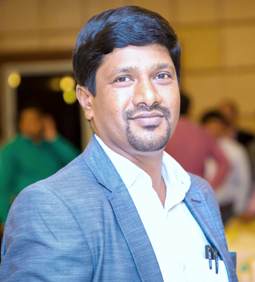 Govindaraju N.S. General Manager- Human Resources Kern-Liebers (India) Pvt. Ltd, Antharasanahalli, Tumkur President Greater Nelamangala Industries Association, Nelamangala A simple issue or a petty demand, which would have otherwise easily ignored or given up or agreed had led to the serious damage to the very existence of the industry. I can give many examples starting from a petty demand for a plastic cover to carry confectionery items sold at discounted prices in the company for the employees, which actually triggered high magnitude industrial unrest and eventually led the closure of industry which also left more than 500 families on the street.Take another example, we must have read this in the newspaper, a company decided to lockout because of 10 Paisa disagreement in the settlement (an example occurred about 20 years before) and left more than 1000 families on the street. What do we understand by this? The Union or the workers would have ignored simply or given up or the management would have agreed to consider it, as it was a petty matter. The more realistic approach would have avoided the industrial unrest and the company would have continued the existence. It is all about maturity of people. Had they thought a little and acted maturely, serious trouble would have been averted. Is there a solution or an approach to deal with such complexities?One can find answers to these in the maturity model or the Human Relations/Human Factor based approach. I have dealt the conventional approach and Human Relations approach in detail in this article. I have also dealt what actions and approach of an employer leads to building progressive unionism which benefits both employers and workers at large.
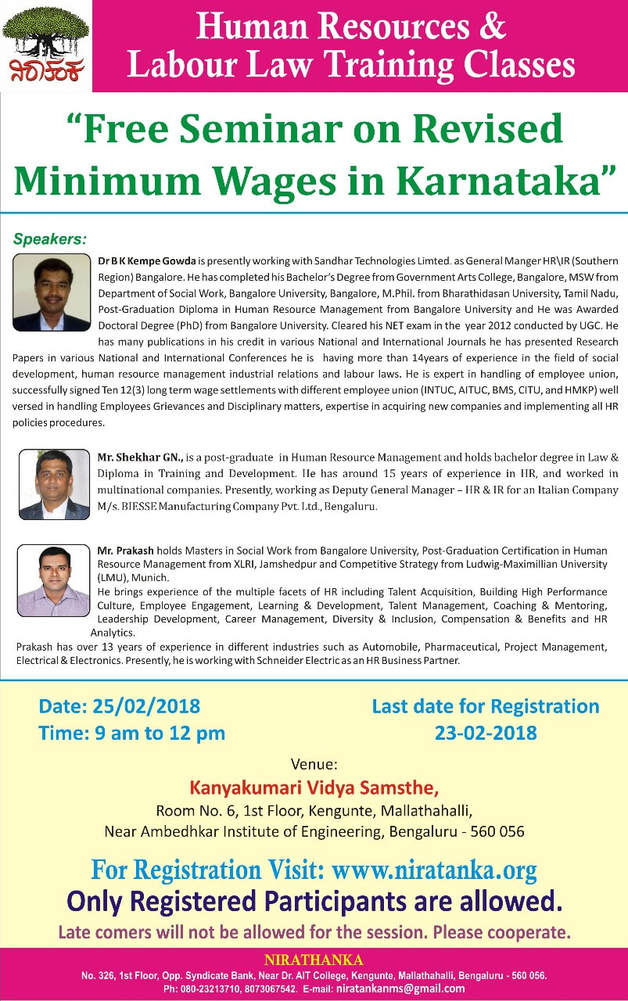
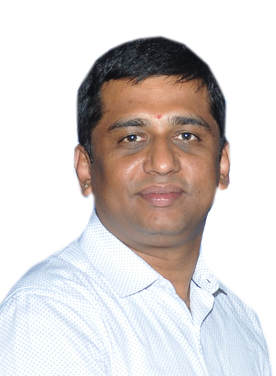 Dear Sir / Madam, These guidelines are prepared based upon the Minimum Wages notification of Department of Karnataka reference number ‘LD 18 LMW 2017’ dated December 30, 2017 related to Engineering Industry. In the guidelines for the purpose of illustrations, the Zone 4 has been considered. Based upon these guidelines, you can prepare the ‘Wage Fixation Guidelines’ for your industry. In case if you found any discrepancy, suggested to approach your legal advisor for further clarifications. Request you to send your feedback / comments to [email protected]. Be Great, Shekhar GN. MSW, Dip. LD, LLB Dy. General Manager – HR & Admin Biesse Manufacturing Co. Pvt. Ltd., Nagarur & Nelamangala, Bengaluru Mobile No. 91:96327 11228 The great man is not the one who makes others feel small, but is the one who makes others feel great. Please find below an article by Sri S N Murthy, Senior Advocate, clarifying certain doubts on Minimum Wages under the provisions of law. Very useful write-up, please read. Be Great Shekhar GN.
ಉದ್ಯೋಗಿಗಳ ತೊಡಗಿಸಿಕೊಳ್ಳುವಿಕೆ
ಉದ್ಯೋಗಿಗಳ ತೊಡಗಿಸಿಕೊಳ್ಳುವಿಕೆ ಎಂಬುದು ಸಾಂಸ್ಥಿಕ ಮಾನವ ಸಂಪನ್ಮೂಲ ನಿರ್ವಹಣೆಯ ವಿಭಾಗವನ್ನು ವಿಶೇಷವಾಗಿ ಲಗ್ಗೆ ಇಟ್ಟಿದೆ (ವಿಭಾಗದಲ್ಲಿ ಬಹಳವಾಗಿ ಮಿಂಚುತ್ತಿದೆ). ಶತಮಾನಗಳಷ್ಟು ಹಳೆಯದಾದ, ಪೂರ್ವದ ಪರಿಕಲ್ಪನೆಗಳಾದ ಕುಟುಂಬ (ಎಂಬ ಸಂಸ್ಥೆ), ಪರಸ್ಪರ ಸಂಬಂಧ (ಅವಲಂಬನೆ), ಪ್ರೀತಿ ಇವುಗಳನ್ನು ಬಳಸಿ ಕಾರ್ಯಸಾಧನೆ ಮತ್ತು ಸಕಾರಾತ್ಮಕ ಫಲಿತಾಂಶ ಪಡೆಯಬಹುದು ಎಂಬುದು ಇಲ್ಲಿಯ ಸಂಸ್ಕೃತಿಯ ಭಾಗವಾಗಿಯೇ ಇದೆ. ಈಗ ಇದು ಪಶ್ಚಿಮದ ಸಾಂಸ್ಥಿಕ ರೂಪರೇಷೆಗೆ ಅಳವಡಿಕೆಯಾಗುತ್ತಿರುವುದು ಹೊಸದಾಗಿ ಮತ್ತು ಆಸಕ್ತಿದಾಯಕವಾಗಿ ಕಾಣಿಸುತ್ತದೆ. |

RAMESHA NIRATANKACategories
All

Nirathanka Citizens Connect




50,000 HR PROFESSIONALS ARE CONNECTED THROUGH OUR NIRATHANKA HR GROUPS.
YOU CAN ALSO JOIN AND PARTICIPATE IN OUR GROUP DISCUSSIONS. |


 RSS Feed